 Installation
Table of Contents
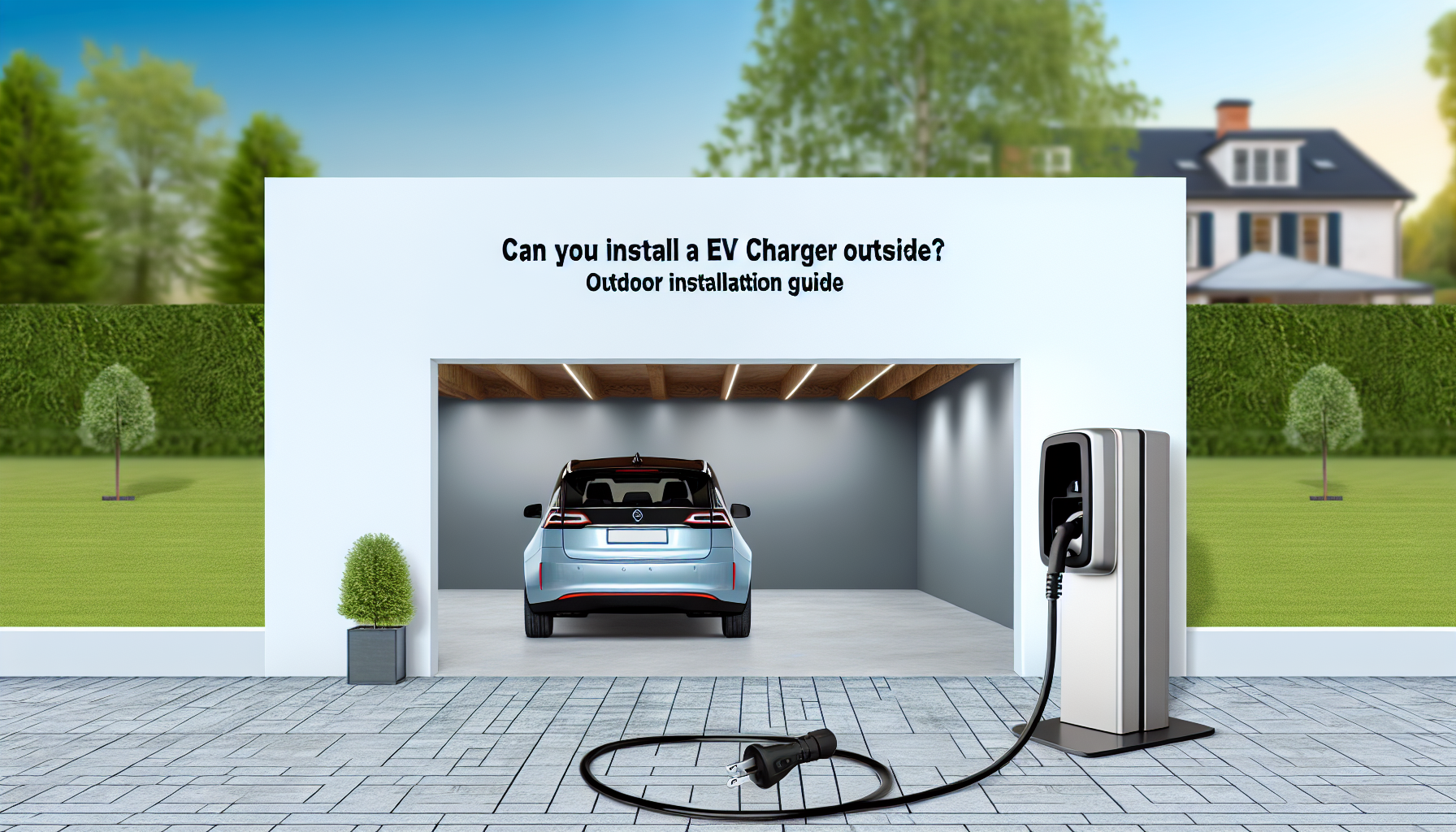
Not everyone charges in a garage. If you park in a driveway, carport, or beside your home, you may be wondering whether an EV charger can be installed outside - and whether it’s safe. The short answer is yes, absolutely. Outdoor EV charger installation is common, code-compliant, and done right, extremely reliable. But it does require specific equipment and practices that differ from a typical indoor installation.
Here’s everything you need to know before calling an electrician to install an outdoor charger.
Yes, EV Chargers Can Be Installed Outdoors
All major Level 2 EV chargers from reputable manufacturers are rated for outdoor use. Rain, snow, and temperature swings are accounted for in their design. The key is making sure the charger you choose has the correct weatherproof rating, and that the wiring and mounting are done to code.
The National Electrical Code (NEC) has specific requirements for outdoor electrical installations, including GFCI protection and weatherproof conduit. A licensed electrician familiar with these requirements will handle this automatically.
Understanding NEMA Enclosure Ratings
When shopping for or specifying an outdoor EV charger, you’ll see a “NEMA rating” on the product. This is a standardized scale for how well an enclosure resists weather. For outdoor EV chargers, you want:
- NEMA 3R: Protects against rain, sleet, and ice. This is the minimum acceptable rating for outdoor use.
- NEMA 4 or 4X: Protects against rain plus hose-directed water. 4X also resists corrosion, making it ideal for coastal environments or areas with road salt.
Most quality outdoor chargers are rated NEMA 4 or NEMA 3R at minimum. Avoid any charger that doesn’t clearly specify a NEMA rating for outdoor environments.
Popular outdoor-rated chargers include the ChargePoint Home Flex, Enel X JuiceBox, Wallbox Pulsar Plus, and the Tesla Wall Connector, all of which are rated for outdoor installation.
Weatherproofing the Wiring
The charger itself being weatherproof is only part of the equation. The wiring running to it also needs proper protection.
Conduit
For outdoor runs, wiring must be run in conduit - typically rigid metal conduit (RMC), intermediate metal conduit (IMC), or PVC conduit, depending on how it’s routed. Exposed conduit on an exterior wall is normal and acceptable. The electrician will seal conduit entry points with weatherproof fittings.
Underground Runs
If you’re running power from the main panel to a detached garage or a charger location across the yard, the conduit will be buried. The National Electrical Code requires different burial depths depending on conduit type and wire type:
- Direct burial cable (UF-B): 24 inches deep
- Wire in PVC conduit: 18 inches deep
- Wire in rigid metal conduit: 6 inches deep
Trenching adds cost to the project but is a one-time expense. Many homeowners use the opportunity to also run low-voltage lines (for lighting, cameras, etc.) in the same trench.
Weatherproof Outlets and Junction Boxes
Any outdoor outlet box or junction box must be rated for wet locations. These are sealed boxes with gaskets and weatherproof covers. Your electrician will use these automatically - if they don’t mention it, ask.
GFCI Protection Is Required
The National Electrical Code requires GFCI (Ground Fault Circuit Interrupter) protection for EV chargers installed in garages, outdoors, and certain other locations. Many modern Level 2 chargers have GFCI protection built in. If yours doesn’t, the electrician will install a GFCI breaker at the panel.
This is not optional - it’s a code requirement and a critical safety feature. GFCI protection detects current leakage and shuts the circuit off within milliseconds, preventing electrocution in wet conditions.
Where to Mount an Outdoor EV Charger
You have several options for mounting location:
Exterior Wall of Your Home
The most common outdoor installation. The charger mounts on the side of the house, typically near where you park. The electrician runs conduit from the panel through the wall and to the charger. This is usually the shortest wiring run and the least expensive option.
Detached Garage or Carport Post
If your detached garage doesn’t have power, the electrician runs an underground feed from the main panel. The charger can mount on the exterior wall of the garage or on a post. This is a more involved project due to trenching but gives you a clean, permanent solution.
Dedicated Pedestal or Post
Some homeowners install a dedicated conduit post or pedestal in the driveway. This works well if you have multiple parking spots or park far from any structure. It looks clean and keeps the cable accessible regardless of which spot you use.
Cable Length and Reach
Think carefully about cable length before deciding on your mounting location. Most Level 2 chargers come with a cable that’s 18–25 feet long. Your charge port location varies by vehicle - some are on the front, rear, or side. Walk through where you’ll park and where the cable will need to reach.
If the location you have in mind doesn’t give good cable reach, either choose a different mounting spot or look for a charger with a longer cable. Some chargers offer optional longer cables.
Cold Weather Considerations
EV chargers are rated for temperature ranges, typically from -22°F to 122°F (-30°C to 50°C). Unless you live somewhere with extreme cold, any NEMA-rated outdoor charger will handle winter fine.
One practical note: charge cables become stiffer in very cold weather. This is normal and doesn’t indicate a problem. Premium cables with more flexible materials handle cold better. If you live in a genuinely cold climate (think Minnesota or Montana winters), look for chargers specifically marketed for cold-weather performance.
Sun Exposure and Heat
Direct sun exposure in hot climates can also matter. While chargers handle heat well, prolonged sun on a dark charger unit in a desert climate does generate some heat. Mounting in a shaded location when possible is a minor but worthwhile consideration. This is rarely a problem in practice.
Costs for Outdoor EV Charger Installation
Outdoor installation is generally more expensive than a straightforward garage installation because of weatherproof materials and potentially longer wiring runs.
| Scenario | Estimated Total Cost |
|---|---|
| Exterior wall mount, short run | $600–$1,200 |
| Exterior wall mount, long run | $900–$1,800 |
| Detached garage with underground feed | $1,200–$3,000+ |
| Panel upgrade required | Add $1,500–$4,000 |
These ranges include the charger hardware ($200–$700 for a quality Level 2 unit) plus installation. Get at least two quotes from licensed electricians.
HOA and Local Restrictions
Before installation, check your HOA rules if you live in a community with one. Some HOAs have rules about visible exterior equipment, wire routing, or even EV charger locations. Many states have passed laws preventing HOAs from outright banning EV chargers, but HOAs may still have aesthetic requirements.
Also confirm local permit requirements - covered in detail in our permit guide, but the short version is: yes, you almost certainly need a permit, and your electrician should pull it.
Frequently Asked Questions
Can EV chargers get wet? Yes. Quality outdoor-rated EV chargers are designed to handle rain, snow, and moisture. They carry NEMA weatherproof ratings specifically for this purpose. Do not use an indoor-only rated charger outdoors.
What NEMA rating do I need for an outdoor EV charger? NEMA 3R is the minimum for outdoor use. NEMA 4 or 4X provides better protection and is preferred, especially in areas with heavy rain, coastal salt air, or extreme weather.
Can I install an EV charger on a fence or wood post? Yes, with proper mounting hardware and conduit routing. The post or fence needs to be sturdy enough to hold the charger securely. Talk to your electrician about the best mounting approach for your situation.
Is outdoor EV charging safe in a thunderstorm? It’s generally best practice to unplug and stop charging during a nearby thunderstorm, just as you’d avoid using other sensitive electronics. Surge protection is a worthwhile addition to any EV charger installation - ask your electrician about a whole-home surge protector.
Do outdoor EV chargers need to be covered? No. Properly rated outdoor chargers do not need a roof or cover over them. However, a small overhang or cover does protect the unit from direct sun and keeps snow from accumulating on it, which can extend the life of the charger and make plugging in more pleasant in bad weather.
How deep does conduit need to be buried for an outdoor EV charger? It depends on conduit type: rigid metal conduit at 6 inches, PVC conduit at 18 inches, and direct burial cable at 24 inches. Your electrician will know the local code requirements.
Can I run an extension cord to charge my EV outside? No. Extension cords are not rated for EV charging loads and create serious fire and electrocution hazards. Always use a properly installed outlet or hardwired charger for EV charging.
Sponsored
Need Help With Your EV Charger?
Get expert guidance on installation, costs, and the right charger for your home.
Get Your Free EstimateNeed Help With Your EV Charger?
Get expert advice on the right charger, installation requirements, costs, and how to maximize your savings.